UX and UI Redesign for a Business Reporting SaaS
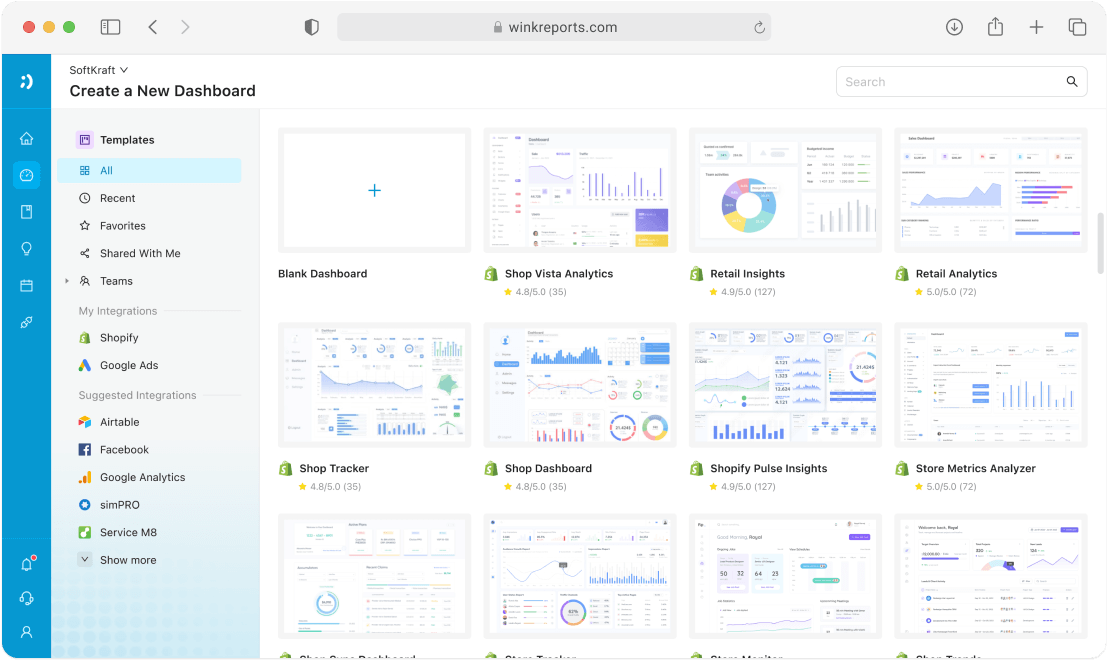
Design, user testing and UI implementation to simplify onboarding and report/dashboard creation for a 10-years-proven business reporting SaaS expanding into new markets

Software development for startups is product engineering a founder can control: discovery, a PoC when technology is the risk, an MVP when the market is the risk, then handover of code and operations.










Four things founders and CTOs actually buy: a scoped first release, a feasibility check when the risk is technical, product engineering that can grow after launch, and a handover their team can run.

Users, constraints, budget range, and the first releasable slice before engineering scales. If the risk is technical, start with a software proof of concept checklist, not a full build.

Design the one user journey that proves demand. Founders and CTOs get a usable interface for that workflow before engineering scales. Cosmetic scope waits until that workflow is in production.

Architecture, tests, and CI/CD sized for the first release, with room to build a scalable SaaS application after you have users.

Production release, monitoring, and documentation so your team can operate the product. The partner does not keep the system hostage after go-live.
Discuss the risk (market vs technology), the first release, and who owns the codebase after launch. You leave with a recommended path: PoC, MVP, or a scoped product increment.






By implementing ISO 27001 and other certifications, we ensure that our software development services are secure, reliable, and compliant with the highest industry standards.



 Our Commitments to You
You can trust that your data is safe and secure with our ISO 27001 certification and best practices in security and data protection.
You get piece-of-mind with our QA processes that adhere to the highest standards for delivering enterprise-grade software products.
You can count on us to quickly adjust to changes in your project needs and provide engineering talent with the required skills.
Work with engineers averaging 9 years of experience who challenge scope and architecture before they become a rewrite.
Review working software at the end of each sprint and use acceptance feedback to reprioritize the backlog.
Product, design, engineering, QA, and DevOps share the release outcome, not isolated activity.
Code, tests, pipelines, and documentation stay in your repositories. Poland-based team, ISO 27001.
We partner with entrepreneurs, business and technology leaders to bring their innovative software-driven products, processes, and business ventures to life.

See how SoftKraft delivered reporting, procurement, and contract-lifecycle products that had to work after the first release—not only in a demo.
Design, user testing and UI implementation to simplify onboarding and report/dashboard creation for a 10-years-proven business reporting SaaS expanding into new markets
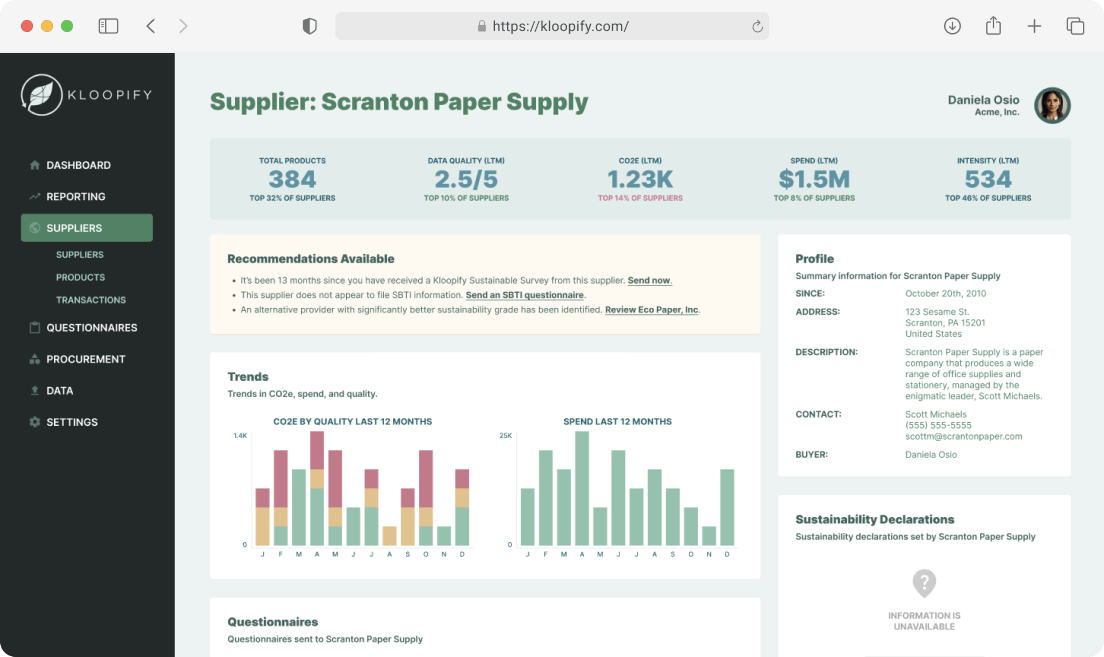
Building a SaaS product that leverages AI/ML to analyze procurement processes for Scope 3 emissions impact
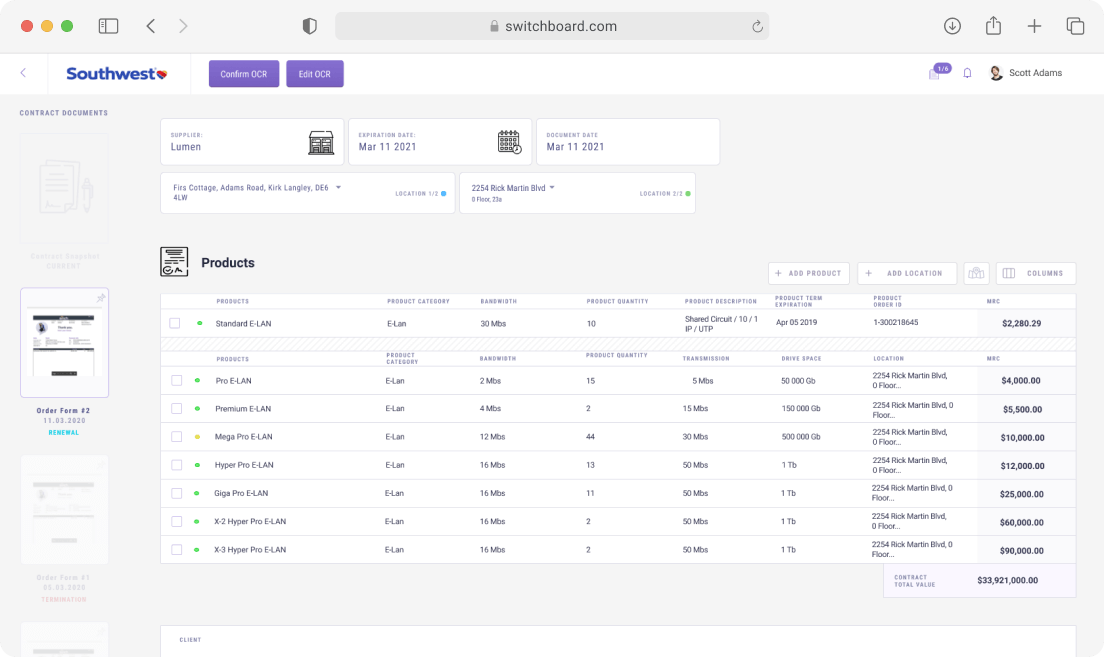
Using Python / Django, React.js, AWS services, and cloud AI-based OCR to design and build a document processing software enabling supplier negotiations and contract management
Four stages from an unproven idea to a first release your team can run.
Decide whether the risk is the market or the technology, then choose a PoC, a prototype, or an MVP before the build scales.
Define one paying workflow, architecture constraints, and a budget range for the first releasable slice.
Ship working software with tests and a visible backlog. Treat the vendor as a partner you can outsource SaaS development successfully with, not a coding bench.
Production release, documentation, and pipelines so your engineers can operate and extend the product.
Software development for startups includes product discovery, a PoC when the risk is technical, an MVP or first release when the risk is the market, engineering, QA, deployment, and handover.
Scope is the first paying workflow, not a full platform. The engagement should end with code, tests, and operations your team can run.
Use a PoC to test one technical risk, a prototype to test UX, and an MVP to test demand with real users.
If the uncertainty is architecture, data, or an integration, validate that assumption first. If the uncertainty is whether customers will pay, ship a narrow first release instead of a feasibility demo.
Evaluate architecture ownership, security, delivery cadence, and post-launch support—not hourly rate. See how to choose a software development company.
Ask who owns the repositories, how sprints are demoed, and what happens after go-live. A partner that cannot explain handover is a staffing vendor.
Use a managed team when you have a PM or CTO and need capacity. Use a project-based model when the partner should own a scoped increment end-to-end.
SoftKraft recommends the model after the first release is scoped, so ownership matches how decisions will actually be made.
Limit scope to one workflow, keep tests and CI/CD from sprint one, and refuse features that force a rewrite.
The first release should be small enough to change and structured enough to grow. Extra modules wait until that workflow is in production.
A narrow first slice typically takes weeks to a few months after discovery. A broader B2B workflow takes longer.
Discovery sets a first releasable slice and a realistic window instead of a fixed date. Delivery speed depends on how fast decisions are made on your side.